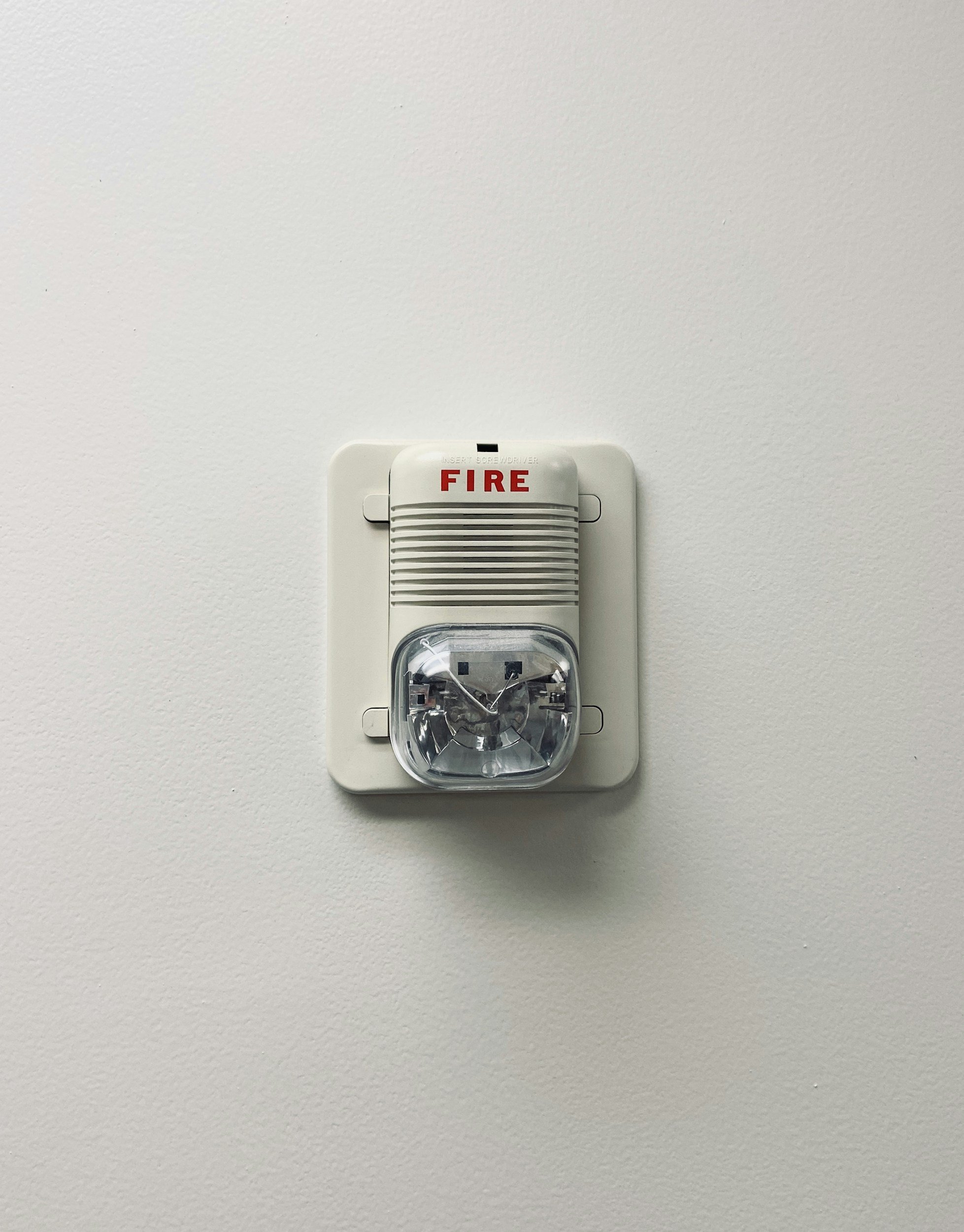
Changes to Ontario Fire Code:
New Requirements for CO Alarms
(Effective: January 1, 2026)
Ontario Fire Code Update
Effective January 1, 2026, Ontario has updated the Fire Code to strengthen carbon monoxide (CO) alarm requirements in residential properties.
These changes apply to most rental housing — including single-family homes, townhomes, condos, and mixed-use residential units.
This is a compliance issue, not a recommendation.


What Changed?
• Expanded requirements for where CO alarms must be installed
• Broader coverage for fuel-burning appliances and attached garages
• Clearer enforcement authority for fire prevention officers
• Increased exposure to orders, fines, and liability if non-compliant
If a CO alarm is required and missing, the property is not compliant.

Why This Matters?
Non-compliance can result in:
• Fire Code orders
• Insurance coverage issues
• Delays in leasing or inspections
• Liability following an incident
This risk is preventable.
Ontario Fire Code Update
Carbon Monoxide (CO) Alarm Requirements — Effective January 1, 2026
- Fuel-burning appliance (furnace, water heater, stove, boiler)
- Fireplace / wood stove
- Attached garage
- Heated air from a fuel-burning source outside the unit
- Near each sleeping area (e.g., hallway outside bedrooms)
- On every storey (including floors without bedrooms)
Install alarms that meet applicable Canadian standards (e.g., CSA/ULC), using acceptable power options per code/manufacturer.
- Test regularly (monthly is a practical standard)
- Replace batteries as required
- Replace alarms per manufacturer lifecycle
Missing or non-functional alarms can lead to Fire Code orders, fines, and increased liability.
If none of the above conditions exist, the 2026 CO alarm expansion may not apply — but maintain any existing detectors and follow local/by-law requirements where applicable.
- Keep records of installs and maintenance
- Ensure alarms are accessible and not disabled
- Address tenant reports immediately
Owners/Landlords are responsible for installation and compliance. Tenants should report malfunctioning or missing alarms promptly.
Source reference: TSSA summary of Ontario Fire Code changes for CO alarms. For property-specific application, confirm with local fire services or a qualified installer.
What Shelterly is Doing
-
![A large two-story brick house with a two-car garage, trees with fall foliage, and a for-sale sign in the front yard.]()
1. Reviewing Managed Properties
Methodical and detail-driven, we assess each property against current Fire Code requirements to identify risks early and ensure no compliance detail is overlooked.
-
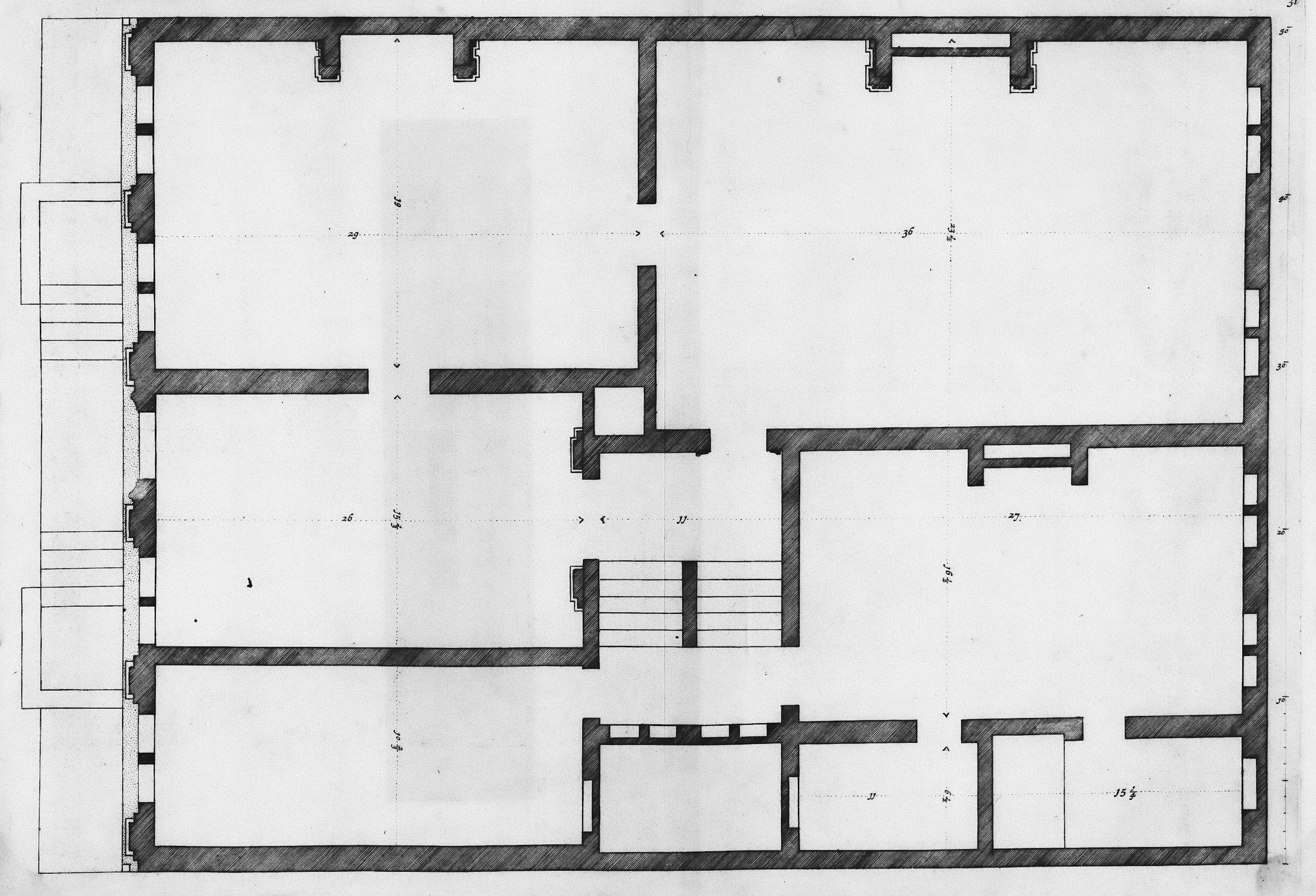
![Architectural floor plan of a large building with multiple rooms and staircases.]()
2. Flagging non-compliant layouts
With a trained compliance lens, we identify layouts that fall short of updated standards and clearly outline what must change to meet code.
-
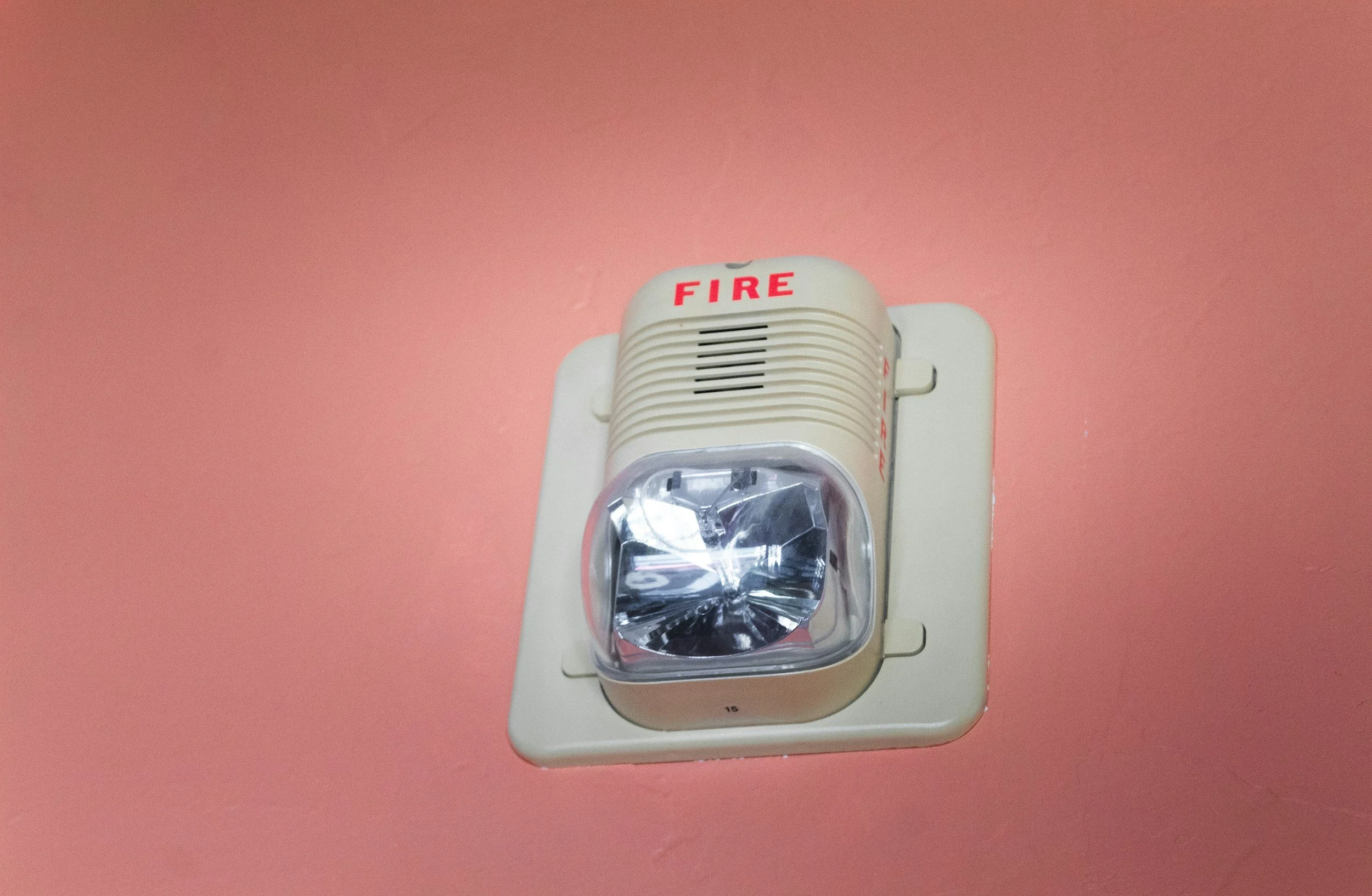
![Fire alarm with flashing light mounted on a pink ceiling.]()
3. Coordinating compliant installations
From planning to execution, we coordinate qualified professionals to install compliant devices efficiently, minimizing disruption while ensuring standards are met.
-
![Person using a stylus to check off tasks on a digital to-do list on a tablet in a dimly lit workspace.]()
4. Documenting compliance for records and insurers
Clear, defensible documentation is created and maintained to satisfy insurers, inspectors, and future audits with confidence and clarity.


Not sure if you are compliant?
Most owners assume they are — many are not.
A quick review now avoids problems later.